Jamie Ding’s 31-game run on Jeopardy! didn’t end with the kind of dramatic collapse viewers often expect from long streaks. Instead, it faded in a way that felt unusually quiet—almost restrained—and that’s exactly why it has stayed with so many people.
For weeks, Ding had built a reputation not just as a dominant player, but as a composed one. His style wasn’t flashy. He relied on timing, disciplined wagering, and broad knowledge across categories. That consistency is what carried him past the point where most contestants falter. By the time he reached 31 wins and more than $800,000 in earnings, he had already secured a place among the show’s strongest modern champions.
What made the ending different wasn’t just the loss—it was the tone of it.
In his final game, there was no visible unraveling. No sudden misstep that clearly explained everything. Instead, he was simply outplayed at a crucial moment by a strong opponent. On a show like Jeopardy!, that’s often all it takes. Even the most consistent players operate within tight margins, where one missed clue or slightly miscalculated wager can shift the entire outcome.
The “TTFN” (“ta-ta for now”) response added another layer. On paper, it reads as light, almost playful. But in context, it landed differently. After such a long stretch of control, the brevity of that farewell felt understated—almost like a deliberate choice not to dramatize the moment. It wasn’t a statement of defeat so much as a quiet acknowledgment that the run had reached its natural end.
What changed the way fans interpreted that moment came afterward, when Ding admitted, “Part of me is not OK.” That comment reframes the entire narrative. Long winning streaks on quiz shows are often framed as purely intellectual achievements, but they also involve sustained pressure: repeated performances, constant preparation, and the expectation of continuing success. Maintaining that level for over 30 games is as much about endurance as it is about knowledge.
Seen in that light, the ending doesn’t feel abrupt—it feels cumulative.

There’s a tendency to look for a single turning point in losses like this, but Ding’s run suggests something more gradual. The pressure builds quietly, often invisibly, until eventually the margin narrows just enough for another contestant to break through. His final game didn’t expose a weakness as much as it showed how thin the line is between winning and losing at that level.
His legacy, however, isn’t defined by that last result. A 31-game streak places him firmly among the notable champions in Jeopardy! history, not just for the number of wins but for the way he achieved them—through control, adaptability, and consistency rather than volatility.
The reason that final moment continues to resonate is because it resisted spectacle. There was no dramatic send-off, no extended reflection on stage. Just a short sign-off, a loss, and then, later, a more honest admission of how it felt.
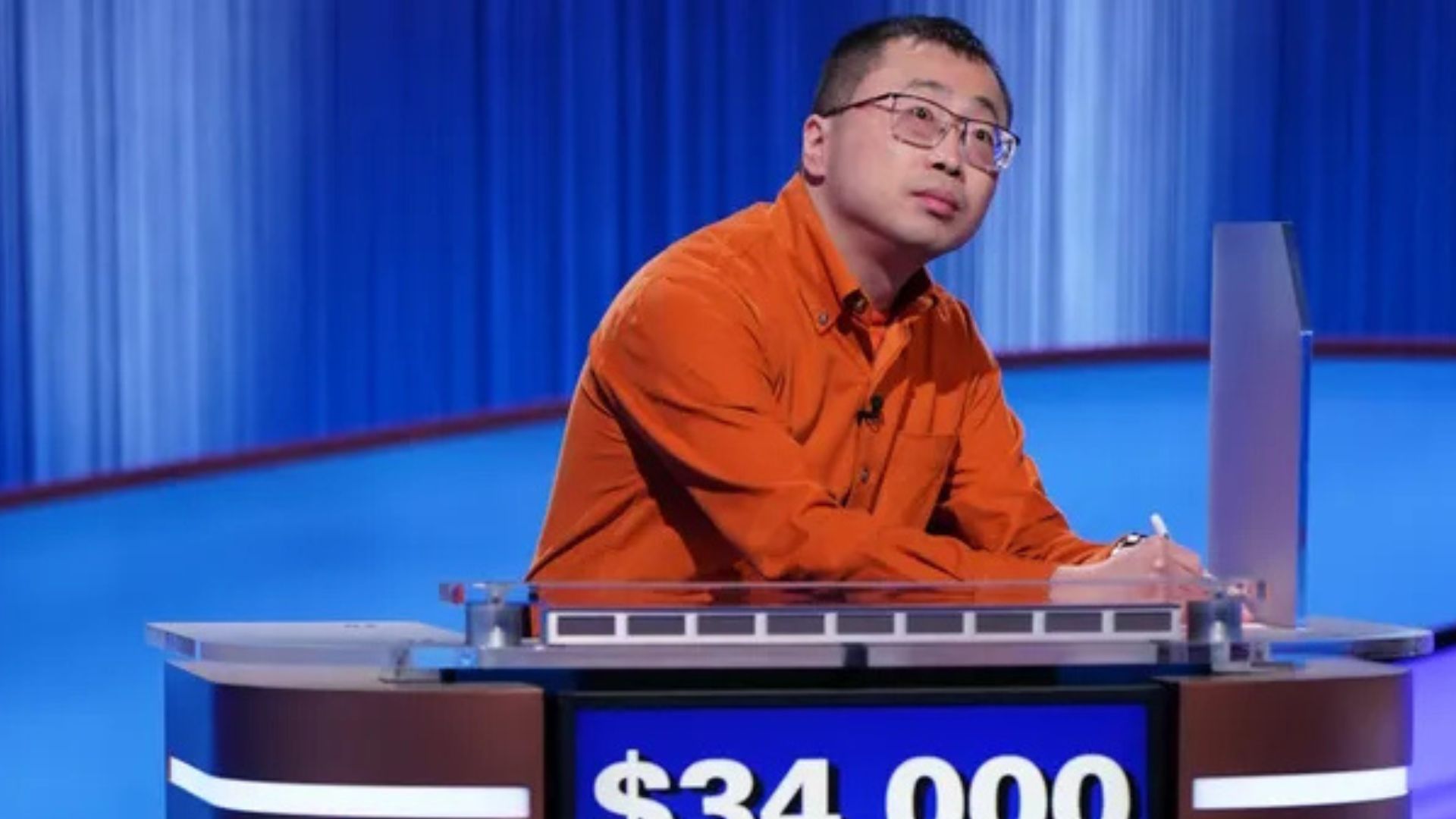
In a format built on rapid answers and clear outcomes, that kind of quiet ending stands out. Not because it was louder—but because it wasn’t.